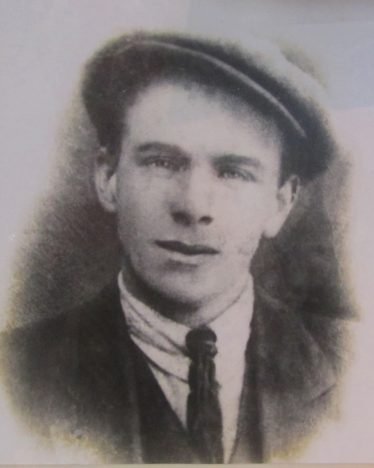
A special memorial unveiling ceremony will take place in Bweeng to honour the life and sacrifice of local War of Independence volunteer Edward “Ned” Waters.
The Birthplace Memorial Unveiling will be held on Sunday, May 10, at 2.30pm in Glashaboy West, the birthplace of Lt. Waters, with refreshments afterwards in Bweeng Community Hall. Organisers have extended an open invitation to the public, with all welcome to attend.
Lt. Waters was a member of the Mallow Company, 3rd Battalion, 4th Cork Brigade of the IRA and was killed during the infamous Nadd roundup on March 10, 1921 — an incident remembered as one of the most significant operations of the War of Independence in the region.
Born in 1897 in the townland of Glashabee near Bweeng, Waters later moved to Mallow for work, where he became actively involved in the Irish Volunteers. Described as a brave and committed member, he participated in numerous engagements and rose to the rank of Lieutenant.
He was also selected for the Mallow Brigade flying column, an elite unit tasked with some of the most dangerous operations during the conflict. Among the most notable actions associated with the brigade was the capture of Mallow Military Barracks, regarded as the only British barracks successfully captured by the IRA during the War of Independence.
Waters’ life was cut short during the Nadd roundup in the Boggeragh Mountains near Nad. During a large-scale British military operation targeting IRA units, Waters and several others were captured at a training camp before being shot dead. Subsequent accounts and medical evidence later cast doubt on official claims that the men had been shot while attempting to escape.
He was 24 years old.
Waters is buried in Kilshannig Cemetery, where he is remembered annually, particularly on Easter Monday, during commemorations recognising his contribution to Ireland’s struggle for independence.
The upcoming unveiling in Bweeng will serve as a lasting tribute at his birthplace, ensuring future generations remember the young man who played a role in one of the most defining periods of Irish history.
Members of the public are encouraged to attend and pay their respects at what is expected to be a meaningful local occasion.