A remarkable piece of Irish transport history has been preserved through newly digitised cab ride footage of the former Waterford–Mallow railway line, offering a rare glimpse into the final days of one of the most significant rail routes in the south of Ireland.
The footage was originally recorded around 1967 by the late Tony Price, a filmmaker associated with the Irish Railway Record Society, and has recently been digitised and edited by railway archivist Ciarán Cooney.
The line, which linked Waterford to Cork via Dungarvan, Lismore, Fermoy and Mallow, officially opened in 1878 and served as a vital transport corridor for passengers, freight, tourism and emigration for nearly a century.
At its peak, the railway carried express passenger services connecting Rosslare and Killarney, mail traffic bound for transatlantic routes via Cobh, and thousands of passengers travelling between Ireland and ferry services to Britain. For many emigrants departing for the United States, the route formed part of their final journey through Ireland.
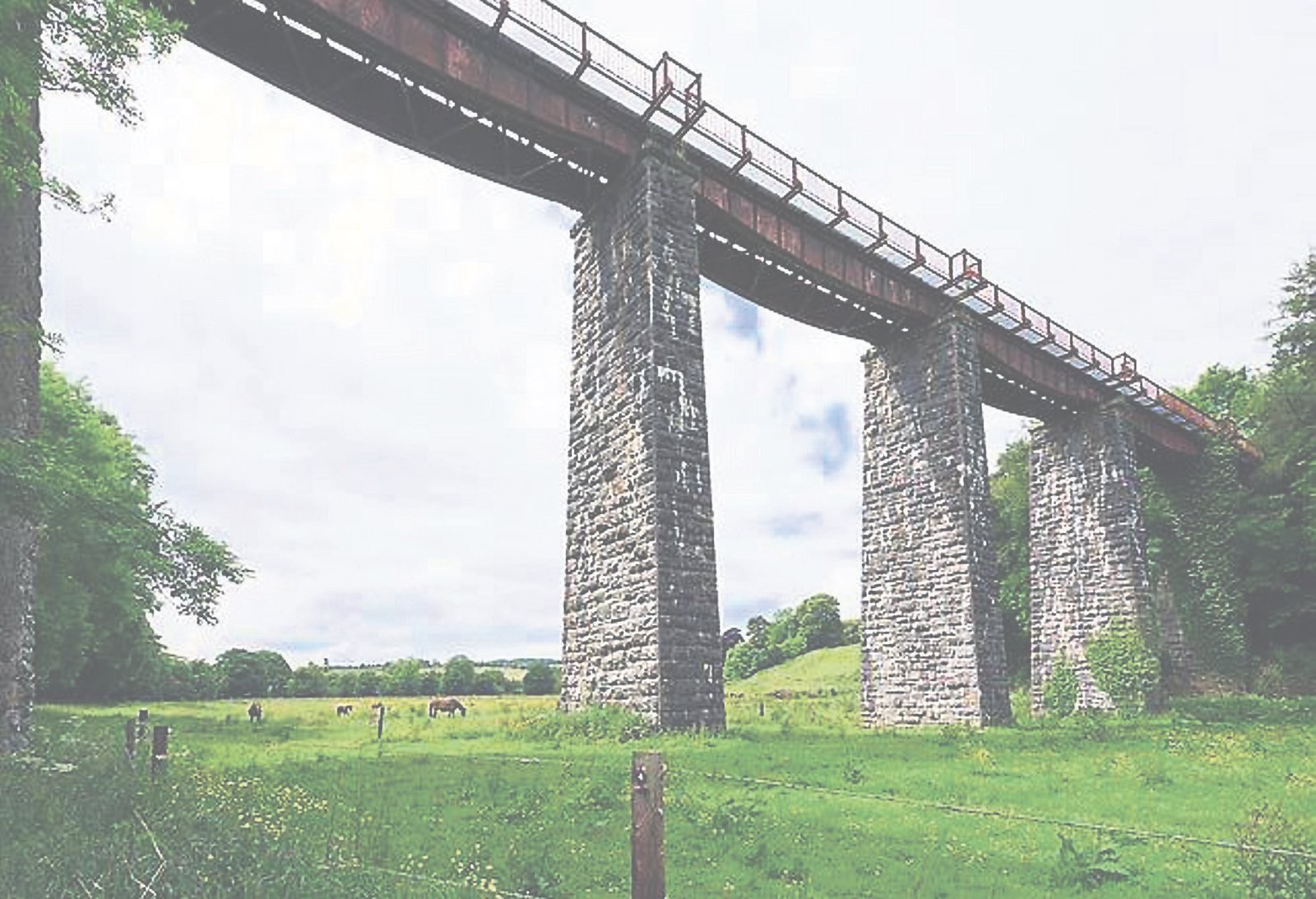
The construction of the line was a major engineering undertaking, featuring structures such as the stone viaducts at Ballyvoile, Durrow and Kilmacthomas, along with extensive embankments and complex riverside sections near the Suir Valley. Between Waterford and Lismore alone, the route included 53 level crossings.
Despite its importance, the railway closed in March 1967 due to rising operational costs and shifts in transport patterns, with services later diverted through Limerick Junction. The closure marked the end of a key transport link that had connected communities across the south of Ireland, including Mallow.
Today, sections of the former railway line have been repurposed as part of the popular Waterford Greenway.