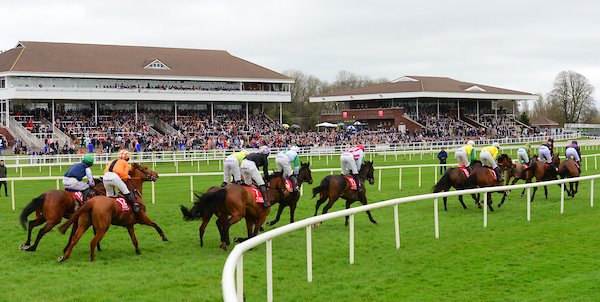
A new Irish horseracing study has found a decline in falls and injuries across the sport, with findings of relevance to racing communities including Cork Racecourse.
The study, titled Chasing Safety: Race-day Falls and Injuries in Irish Professional and Amateur Horseracing from 2016 to 2024, was carried out by Dublin City University in partnership with the Irish Horseracing Regulatory Board (IHRB). It examined race-day fall and injury data recorded by IHRB-appointed medical doctors at every Irish race meeting between 2016 and 2024, representing the first updated analysis of Irish horseracing injury statistics in more than a decade.
Lead author Alannah Reville, a certified athletic therapist currently working with Irish Injured Jockeys, completed the research as part of her master’s degree at DCU.
Speaking to Niall Tierney of IrishRacing.com following publication of the study, researchers said the findings represent an important step forward in understanding rider safety trends across the sport.
Reville said injury rates in Irish horseracing have decreased since previous studies, a trend she linked to safety improvements introduced in recent years, including upgraded body protectors, increased weight requirements and the introduction of mouthguards.
The research found a 7% decrease in injuries per 1,000 falls in jump racing and a 10% decrease in flat racing over the study period.
However, while overall injury numbers have improved, the study also highlighted ongoing safety concerns within amateur racing. Amateur jockeys recorded the highest fall incidence, while also sustaining a larger proportion of serious injuries, including fractures and concussions.
Jump jockeys experienced the highest total injury incidence, while flat jockeys recorded the highest injury rate per fall.
Researchers said the findings suggest that while existing safety initiatives are having a positive effect, more targeted approaches may now be needed to address persistent injury risks within certain areas of the sport.
Professor Siobhan O’Connor, project lead for the study, said researchers are now using 15 years of racing data to develop predictive models aimed at further improving rider safety. She said the goal is to better identify risk factors and deliver more data-driven safety strategies to protect both horses and riders across Irish racing.
The findings are expected to be of interest to racecourses and racing communities nationwide, including Cork Racecourse, which hosts both flat and National Hunt fixtures throughout the racing calendar.
The study has been accepted for publication in the Journal of Science and Medicine in Sport.