The Cinematic Country has reignited discussion online about long-standing claims that Napoleon Bonaparte’s famed war horse, Marengo, was once sold at a North Cork horse fair in Buttevant.
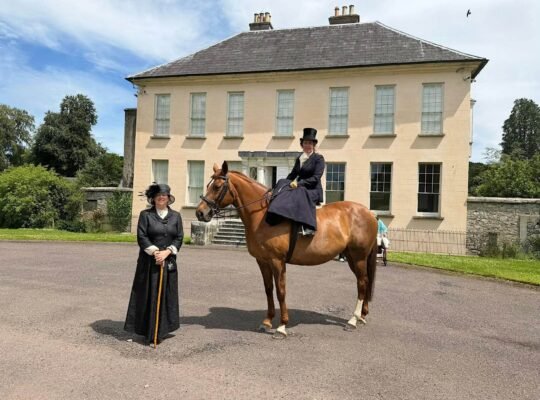
The Cinematic Country, founded by filmmaker and heritage researcher Hugh Fergus Wright, included Cahermee House in Buttevant in its latest video exploring the historic landscape between Buttevant and Doneraile, ground closely associated with the world’s first steeplechase.
While focusing primarily on the architecture and history of the area, the video made passing reference to the local folklore linking Marengo to Cork. That mention alone has been enough to revive debate across social media.
The Cinematic Country has built a large international audience, with more than 250,000 followers across Instagram, TikTok, YouTube and Facebook. Its short-form documentaries combine aerial drone footage, photography and historical research to showcase Ireland’s houses, castles and heritage sites, ranging from internationally known estates to lesser-documented rural landmarks. The project has become a key driver of public interest in Irish history, often sparking fresh conversation — and, at times, renewed local rivalries.
Among the stories resurfacing is the long-running dispute between Buttevant’s Cahirmee Horse Fair and the Bartlemy Horse Fair, each of which has its own tradition linking the famed horse to its village. Historians generally agree that Marengo was born in Egypt and acquired by Napoleon during his military campaign there, but local folklore in both areas has endured for generations.
The debate was most prominently revived in 2017, when Fianna Fáil councillor Bernard Moynihan launched a campaign to bring Marengo’s preserved remains back to Buttevant, describing the move as a potential tourism boost. That effort faced significant obstacles, including the horse’s current custodians, the National Army Museum in Chelsea, London, and Bartlemy’s competing claim, supported by strong local tradition and even a prominent mural depicting Napoleon and his horse.
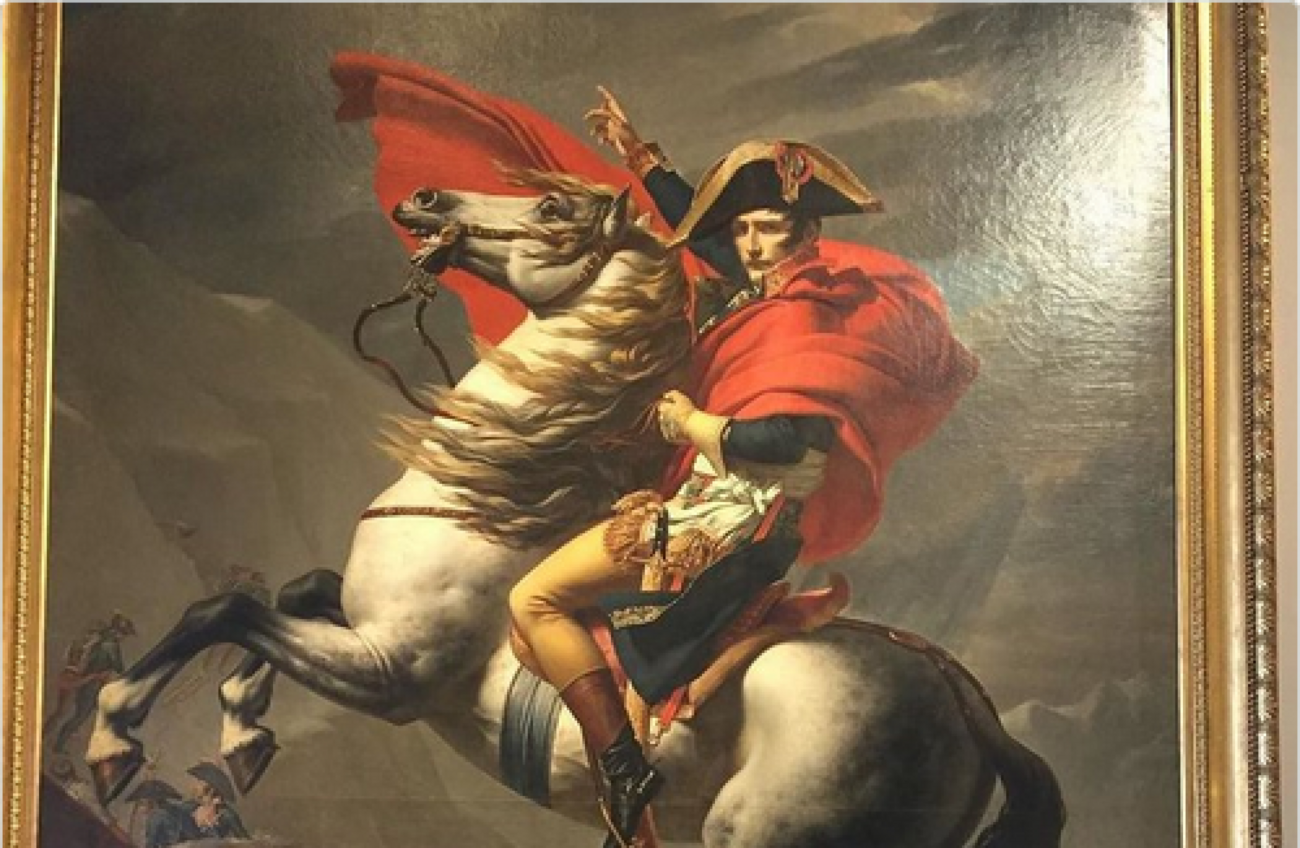
Marengo remains one of the best-known horses in military history, reputed to have carried Napoleon into several historic battles, including the Battle of Waterloo. After the Emperor’s defeat, the horse was taken to Britain, living until 1831. His skeleton is now preserved in London and is widely believed to appear in the famous Jacques-Louis David painting Napoleon Crossing the Alps.
While The Cinematic Country’s latest feature does not attempt to resolve the dispute, its careful documentation of the region has once again brought the folklore to the forefront, highlighting how deeply heritage, storytelling and community memory remain intertwined in North Cork.
The platform has previously spotlighted several other Cork landmarks, including the site of North Cork’s first flushing toilet in Doneraile and recent work documenting Barryscourt Castle in Carrigtwohill. Barryscourt, built between 1392 and 1420 by the 7th Lord Barry, John Ciotach Barry, served as the original seat of the Barry family, who also constructed Barry’s Castle in Buttevant. The family motto, Boutez en Avant, “go forward”, is credited as the origin of the name Buttevant. Barryscourt has undergone significant restoration in recent years and remains one of the most important medieval sites in the county.